Archive Exploration with Nate Matos
Spring brings us into the present moment, grounding us in awareness of the world around us. This season, we’re uncovering moments of connection—between self and community, the past and present, and humans and nature.
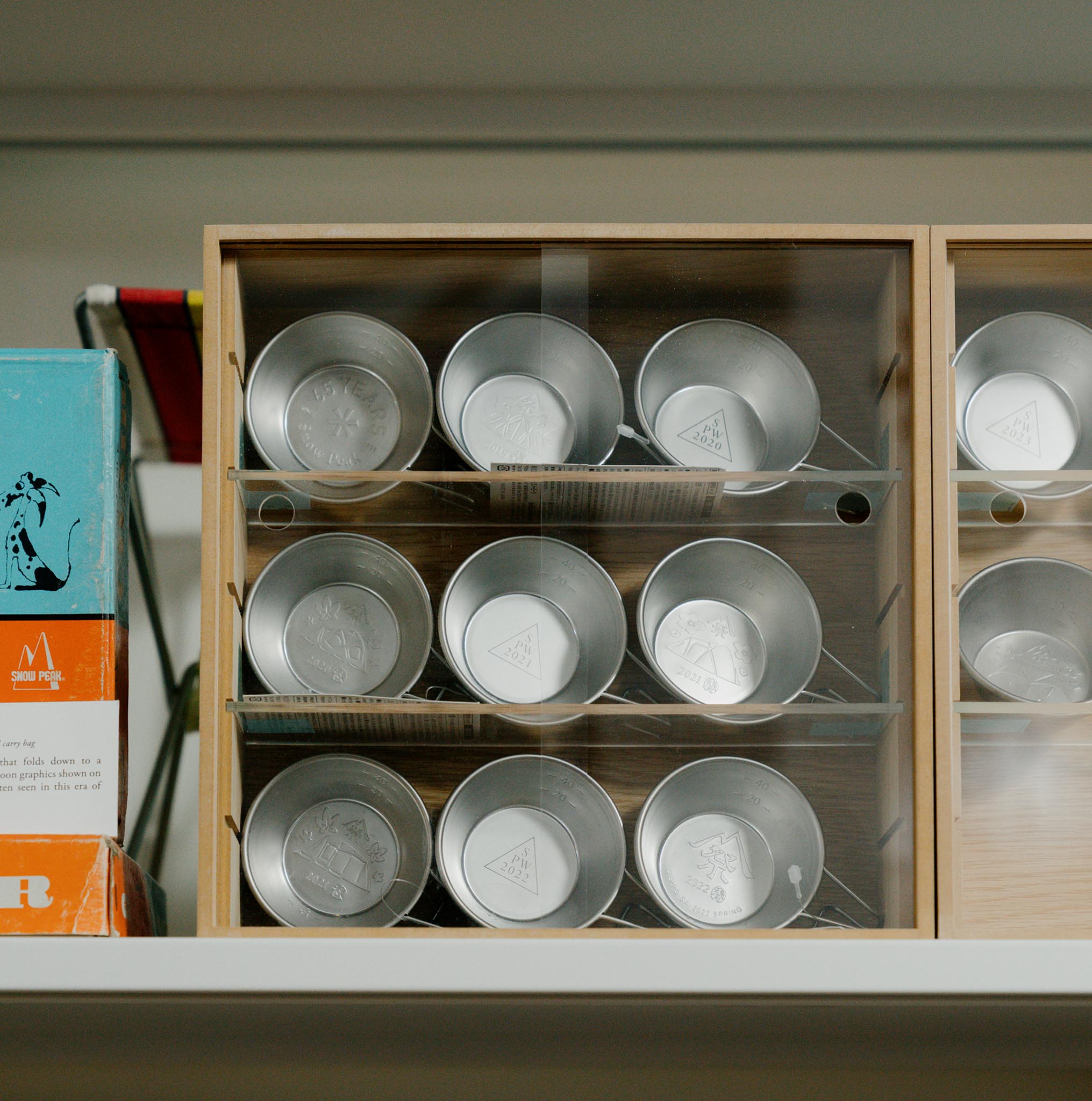
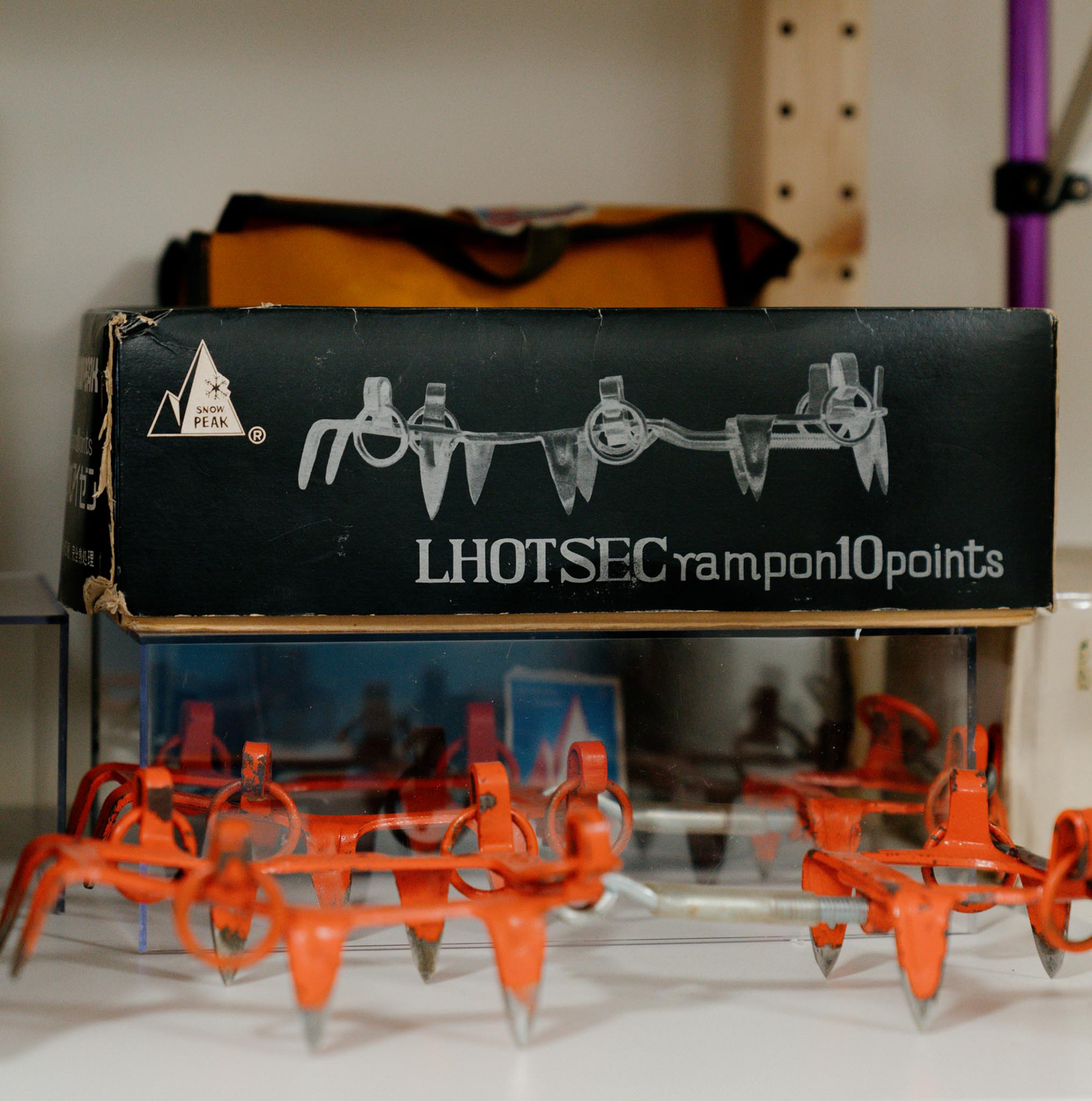
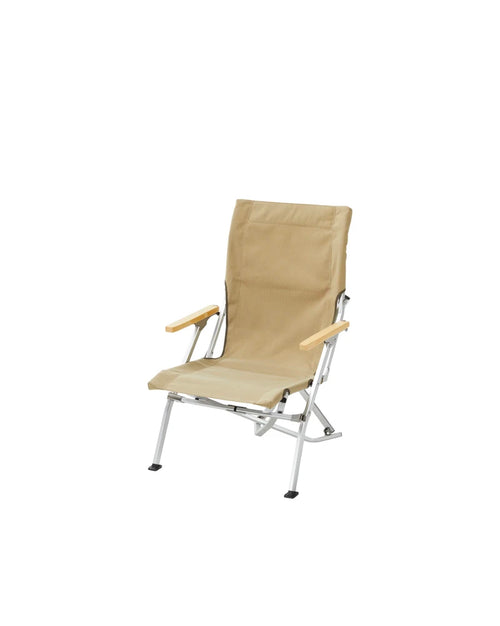
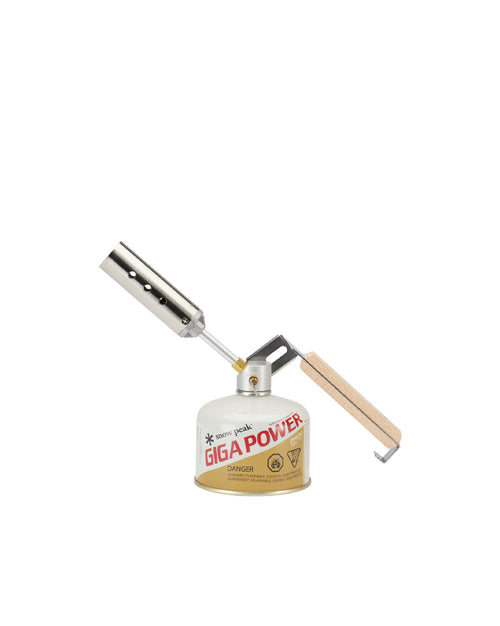
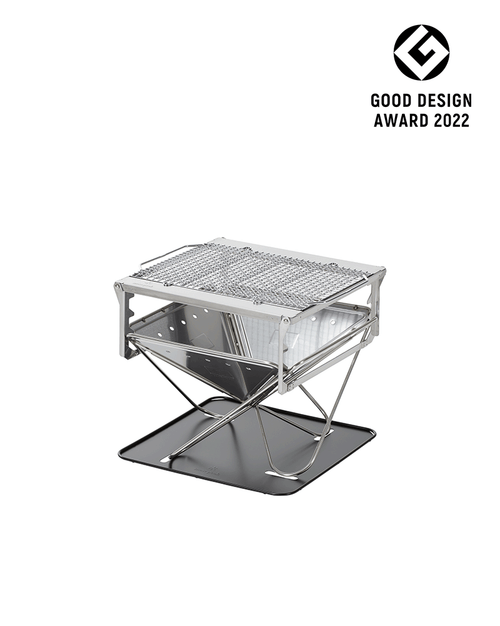
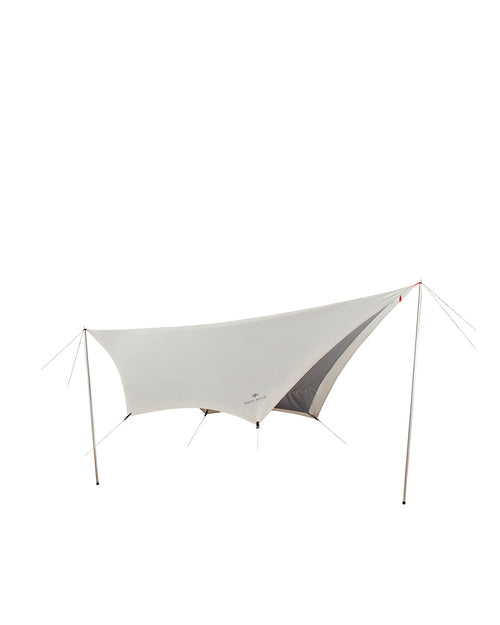
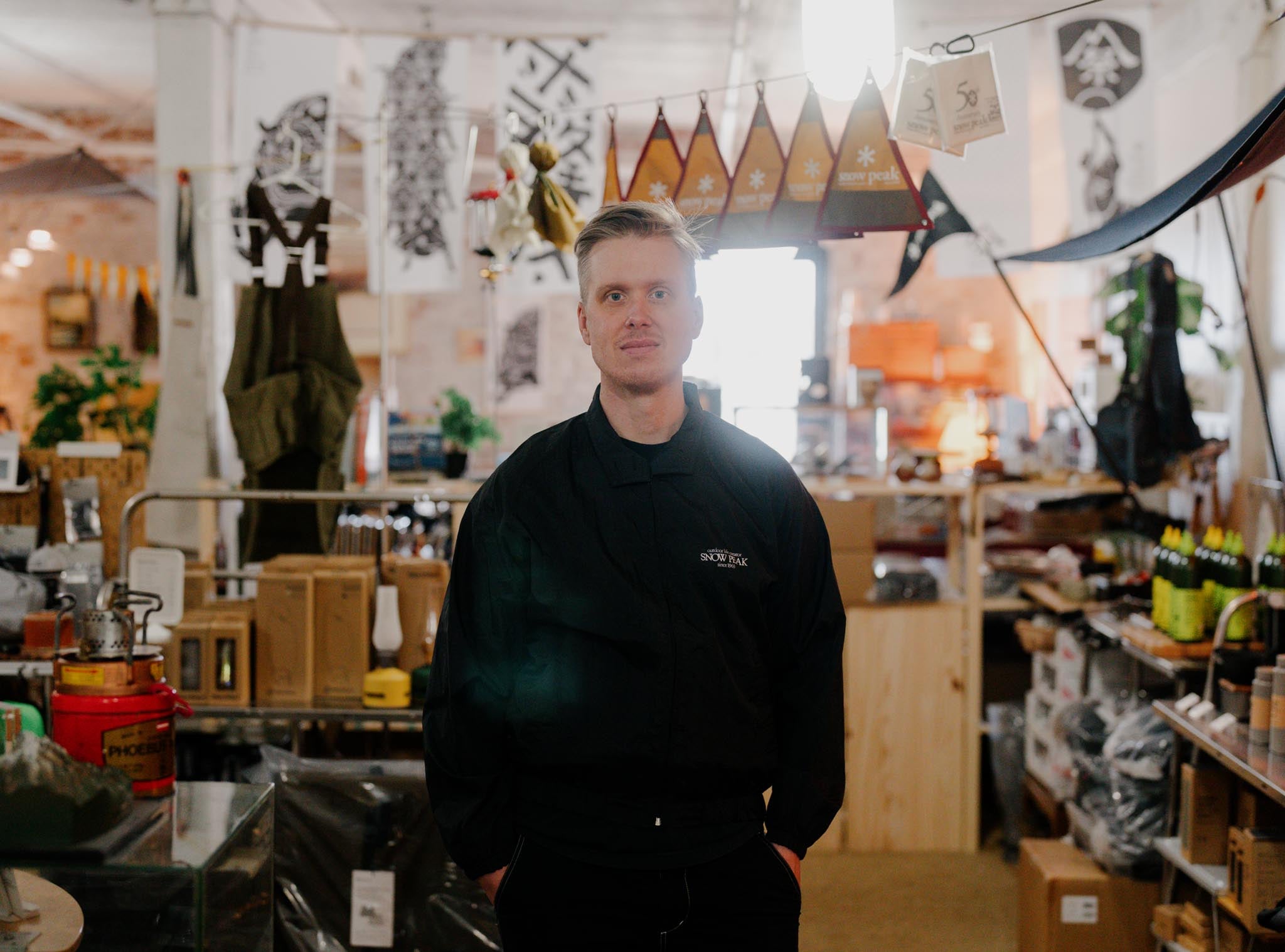
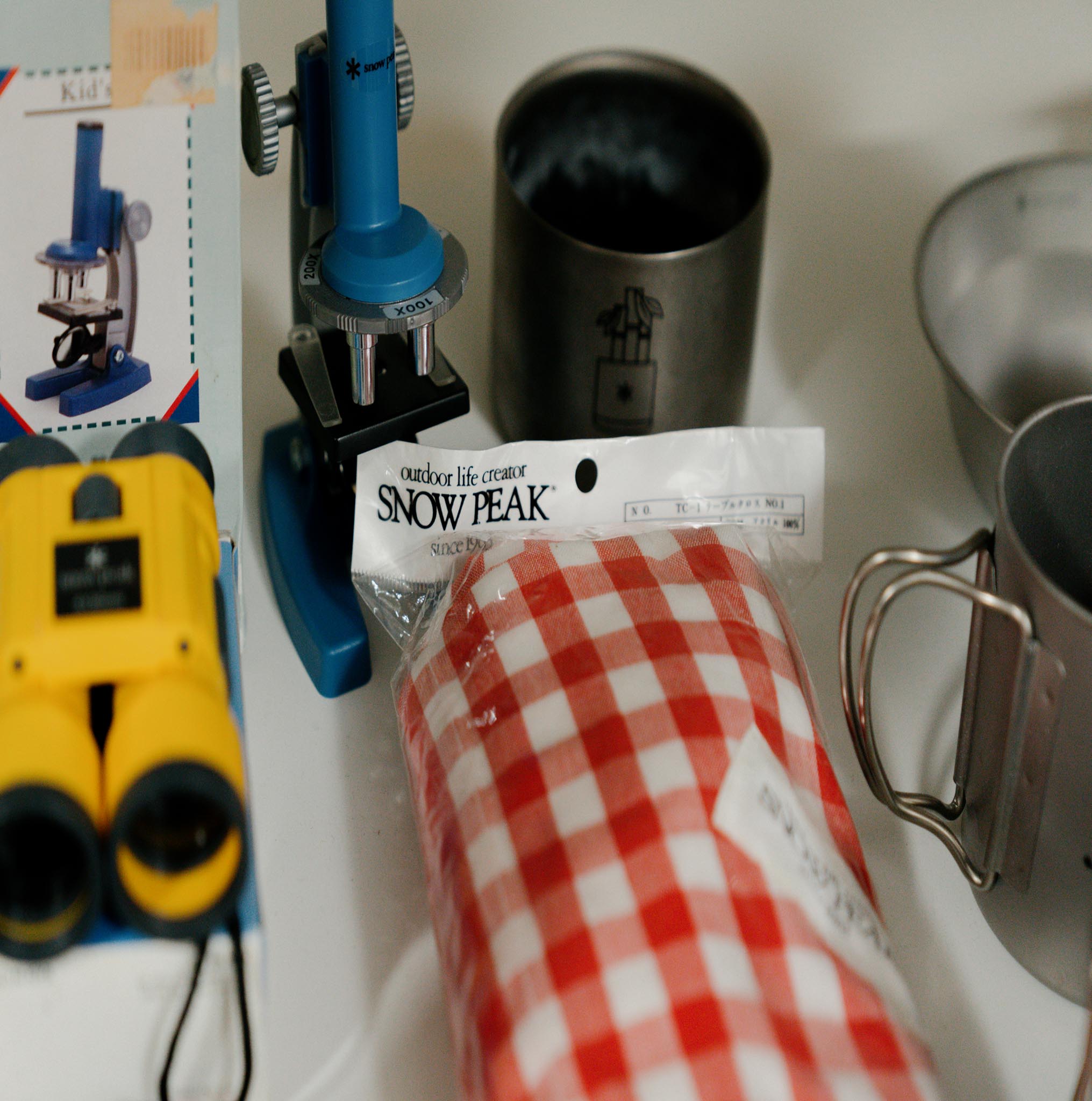
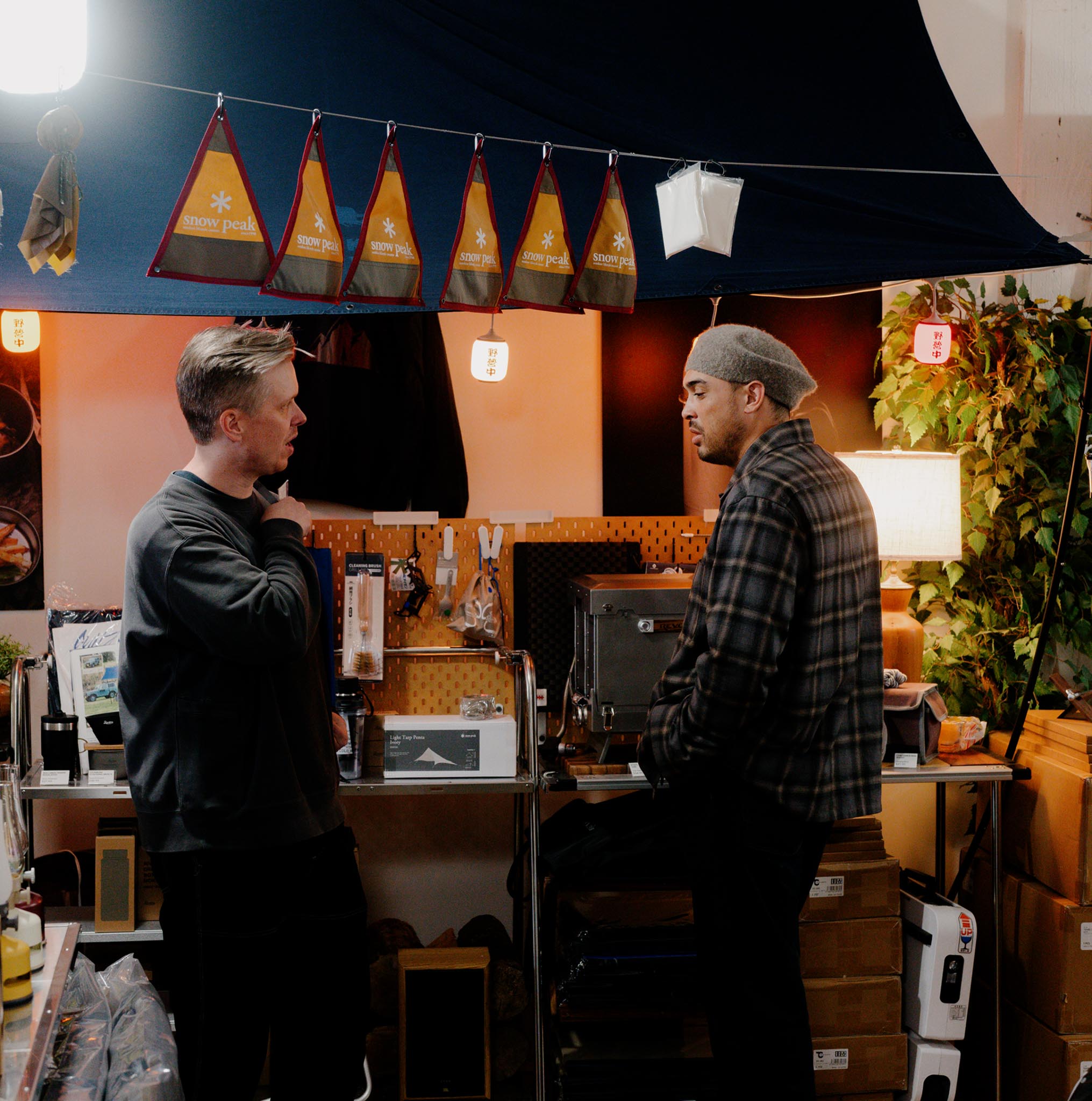
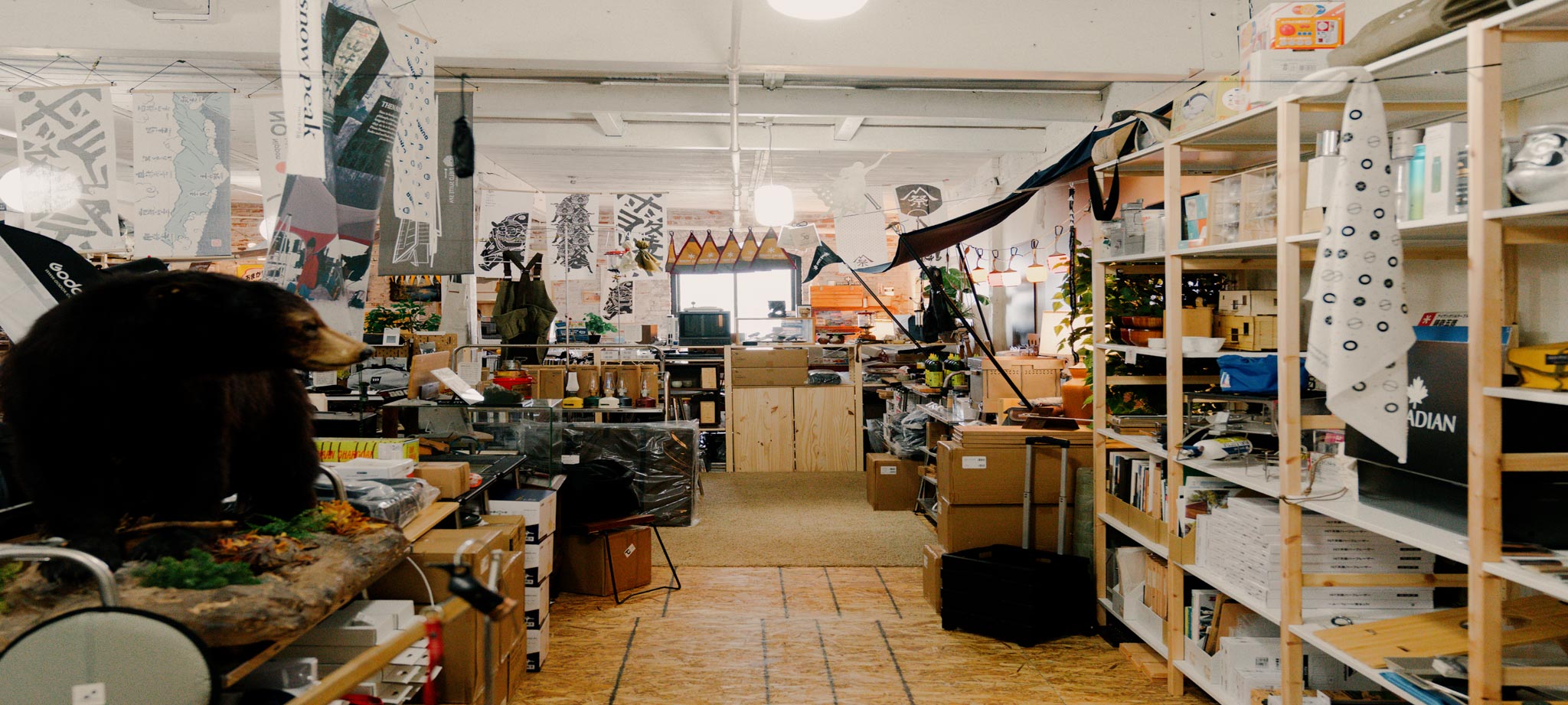
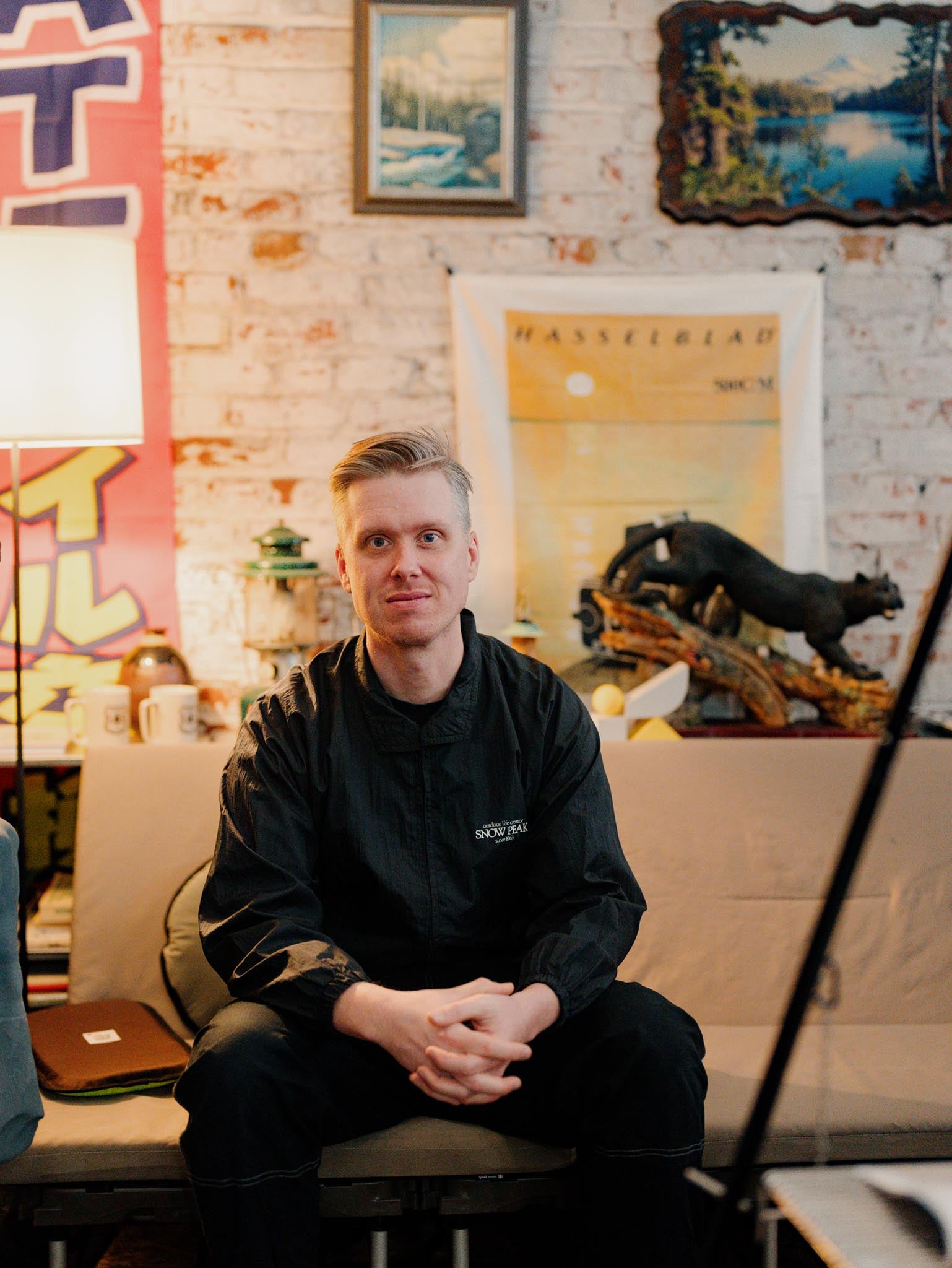
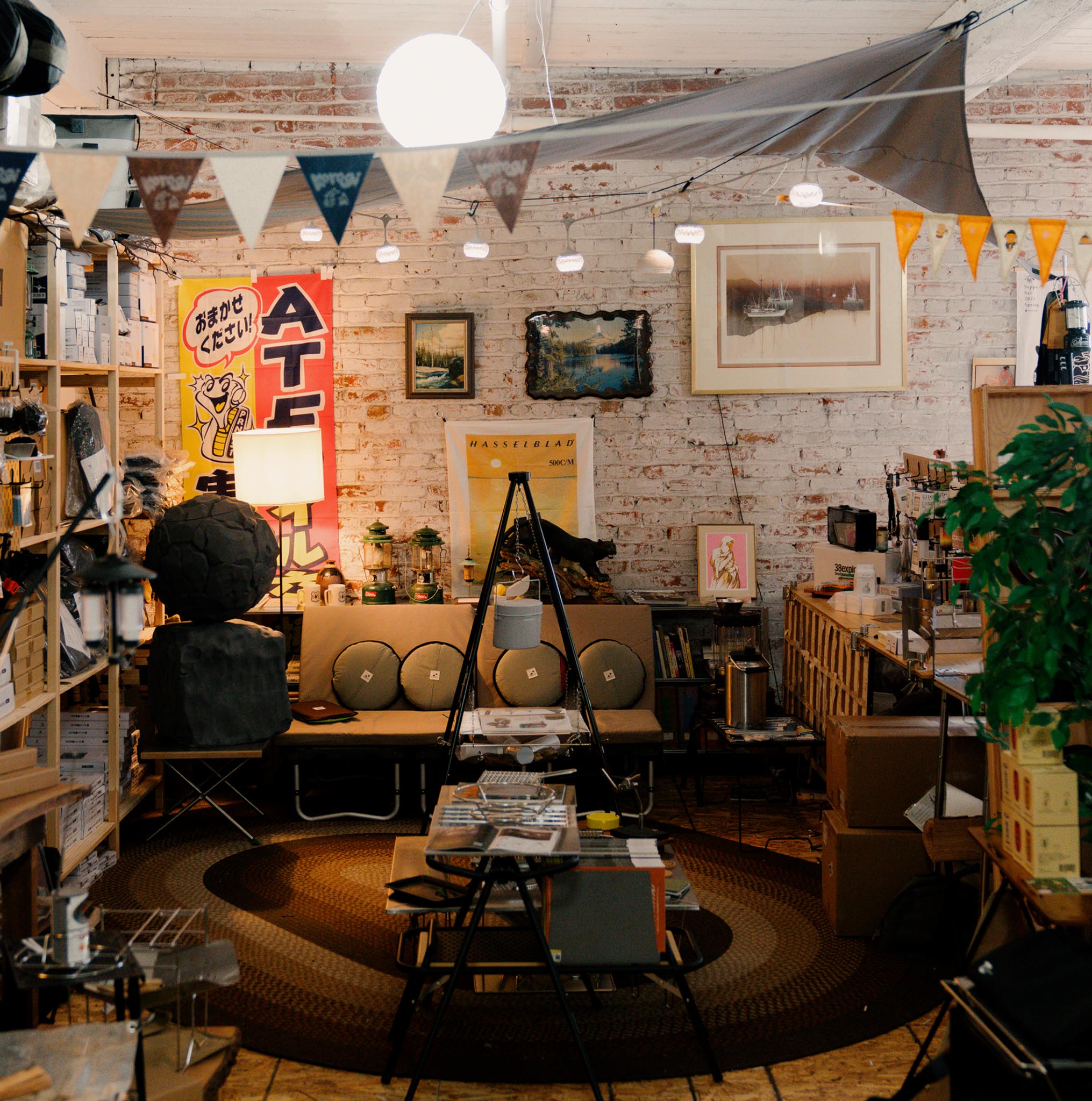
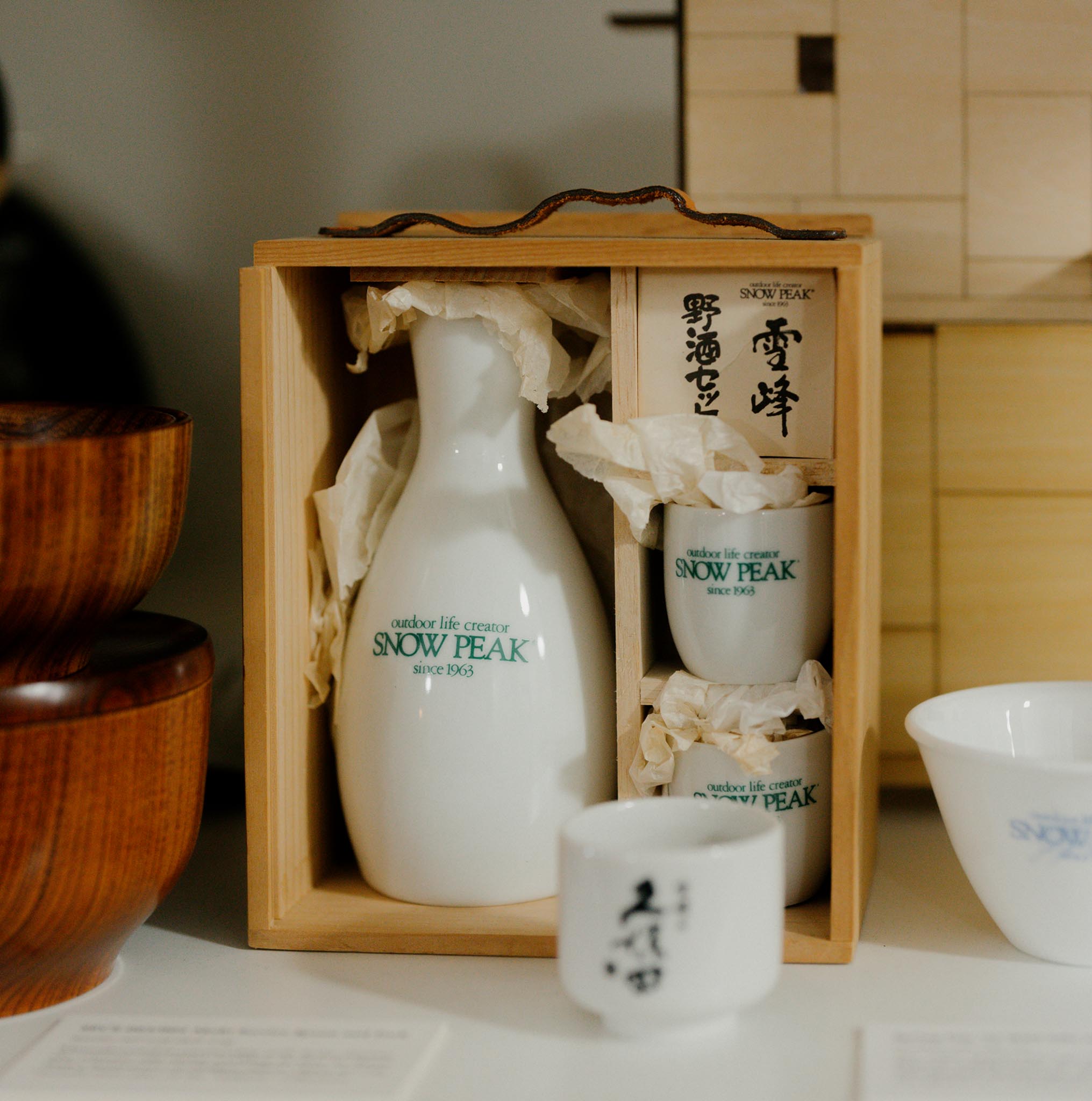
We turned to an ardent member of our community to explore these themes. Few Snow Peakers are more enthusiastic or knowledgeable than our friend Nate Matos. At his shop Kōrogi in Portland, Oregon, he sells an assortment of Snow Peak gear, rare pieces, and other Japanese outdoor goods. His collection of archival gear offers an insightful look into the connections between the past and present. Read on for our conversation about his passion for collecting, interest in vintage camping equipment, and perspective on outdoor heirlooms.
How did your interest in collecting begin?
At heart, I’m a storyteller. One of the most fascinating pieces of our existence is bringing things into the world, so being able to reflect on shared multicultural ways we interact with the outdoors through the lens of product design is something incredibly close to my heart.
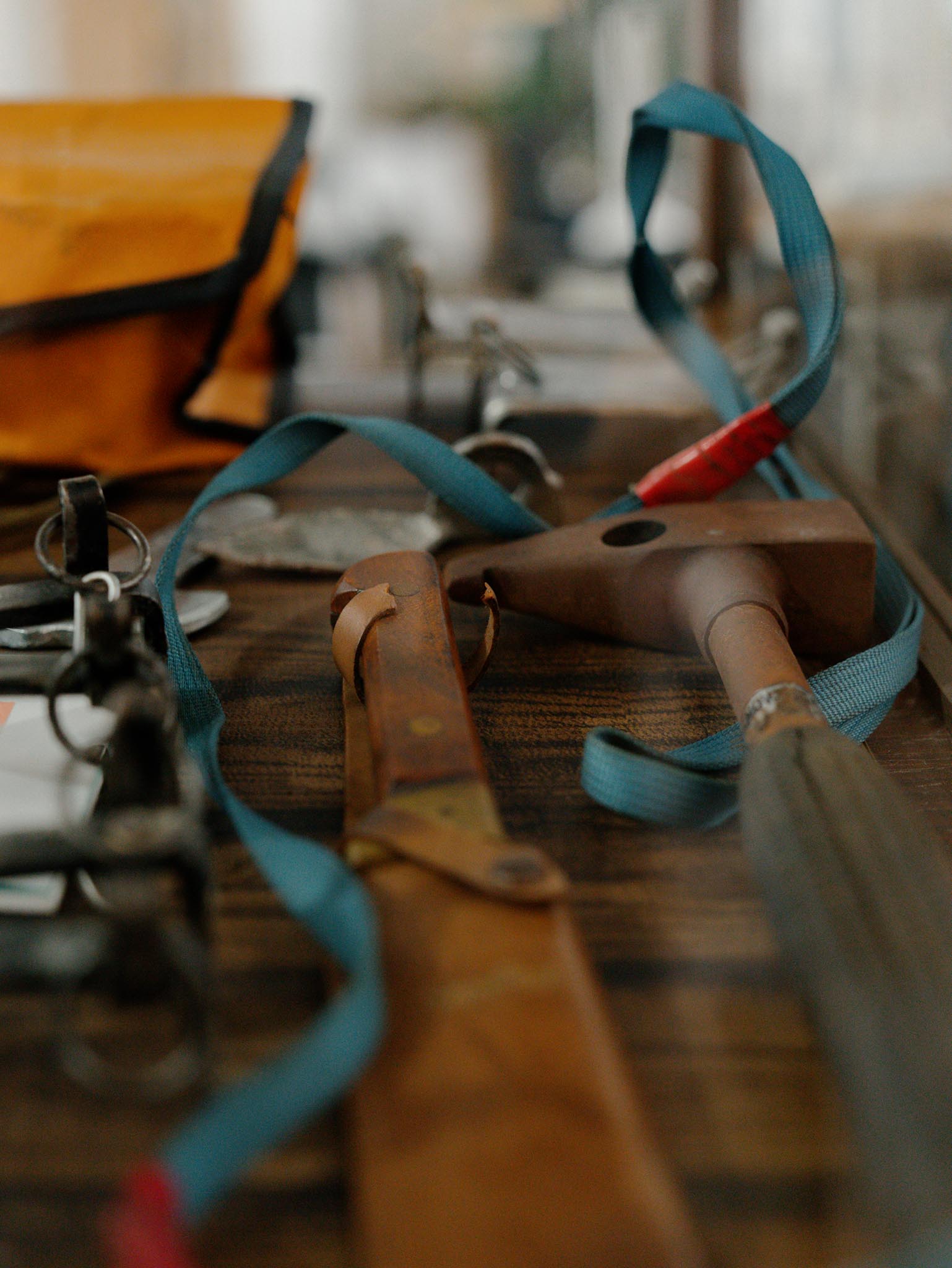
For Snow Peak, there’s a fascinating look at the change in Japan’s take on outdoor recreation. Snow Peak has been through every moment, the mountaineering boom of the 50s-60s, the slump of the 70s, the birth of car-camping in the 80s and 90s – and each one can be seen and felt through what was produced.
How do archival or vintage pieces inspire present-day experiences? What values can we take from the past?
Older camping gear is easy to take for granted, in America we’re so used to the old Coleman stove in the garage just working. Unfortunately, that experience isn’t easily passed on with many modern designs. Looking at old equipment that is still functional, repairable, and high quality is a rare opportunity to remind us that sustainability goals can be met through quality design and building legacy products today.
What was your first archival piece of Snow Peak gear?
The Snow Peak Multi-Stand. It was the first product designed by Chairman Tohru Yamai that was approved and moved to production. It’s an incredibly important piece; it kicked off the Snow Peak we know today and built the system standards that are still used, like the 660 Sitting Height. But it was also born as Japan was importing car-camping from America, and hit such a narrow bullseye of time, place, and design that set Snow Peak apart within its industry.
How were you introduced to Snow Peak and what first drew you to the brand?
I literally stumbled onto Snow Peak one day while walking around Portland. At the time, Snow Peak was located on NW 14th, and felt like a new outdoor store, so I wandered in. Back then, I was drawn in by the same things that keep me engaged today. Thoughtful designs, intuitive systems, and the ability to build outdoor setups without having to start from scratch.
What was the impetus behind the launch of KōROGI? What do you think are the benefits of the Japanese perspective on time outside?
The world is an enormous place, and cultures experience time outside indifferent ways. Having a broader view of those perspectives can help remind us of why we're here. Personally, my biggest takeaway has been the way we treat the outdoors in America compared to Japan. Americans view the outdoors as a place to go; we travel there and get away. Broadly speaking, in Japan, the view is that we are part of nature and outdoor spaces. Thousand-year-old cities live within the borders of their national parks; campgrounds are built overlooking massive urban areas. It’s a reminder that we can find moments of nature just about anywhere we look, and that it doesn’t need to be a special occasion. Our mission at KōROGI is to acknowledge that interplay and support anyone who wants to be outside more.
What does the idea of outdoor heirlooms mean to you?
“Buy it for Life” is a common phrase, but heirloom is plural. We should be buying not just for our use, but to have that camping stove in the garage, so our descendants will find it. That doesn’t happen at the time of sale; it’s an ongoing commitment to offer spare parts, to fix things when they break instead of throwing them out, and to ensure that if something new is designed, it will work with a camper's existing setup.
Follow Nate on Instagram @natematos.
Dive deeper into the Art of Connection or explore our upcoming Spring Summer 2026 Collection.